Key pointers:
- What growing pains are and when they occur
- How to tell harmless pains from signs of a medical condition
- Common causes of bone and joint pain in children
- Red flags that require orthopaedic evaluation
- How specialists assess and diagnose these conditions
What Are Growing Pains?
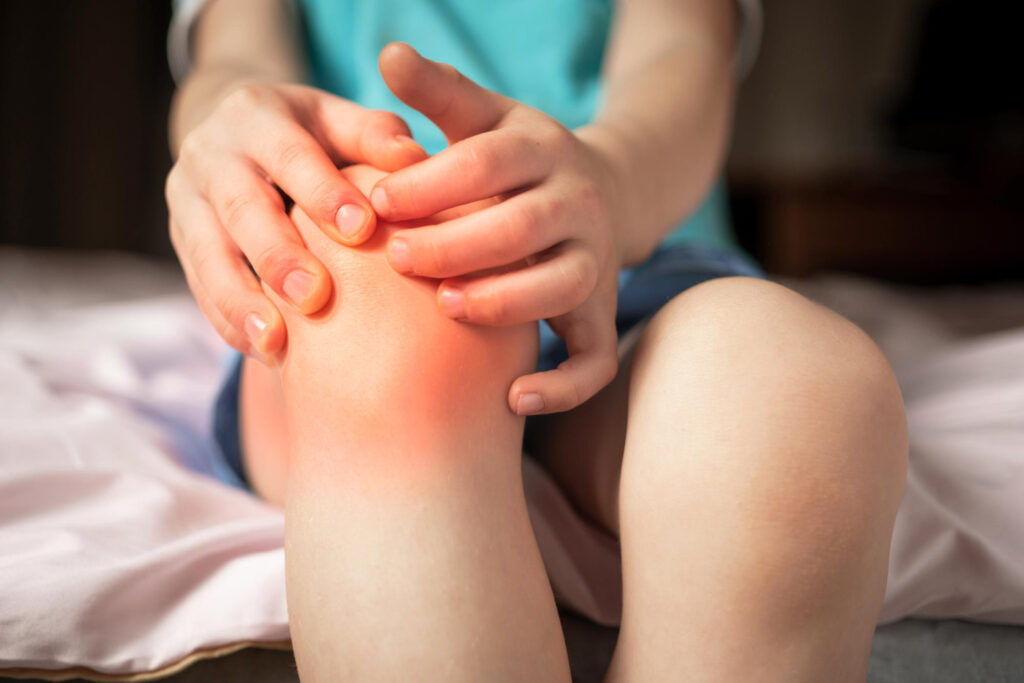
Many children experience periods of leg pain, especially at night or after a busy day. These are commonly known as growing pains. Although the name suggests a link to growth, the exact cause remains unclear. They are generally harmless and temporary.
Typical features include:
- Dull or cramping pain in both legs
- Pain occurring in the evening or at bedtime
- Relief with massage or gentle stretching
- No swelling, redness, or limp the next morning
Growing pains do not affect development or cause long-term harm.
Growing Pains vs Concerning Symptoms: What’s the Difference?
A side-by-side comparison helps parents recognise when pain is typical and when it may signal something else.
|
Feature |
Growing Pains |
Red Flags (Needs Evaluation) |
|
Pain location |
Usually both legs |
Often one leg or one joint |
|
Timing |
Evening or night; resolves by morning |
Persistent pain throughout the day |
|
Swelling or redness |
None |
Present over the joint or bone |
|
Walking / weight-bearing |
Normal the next day |
Limping, refusal to walk, or changes in gait |
|
Systemic symptoms |
None |
Fever, fatigue, weight loss |
|
Relief |
Improves with massage or stretching |
Pain persists despite home care |
If your child matches the right-hand column more closely, a specialist review is recommended.
What Else Can Cause Bone and Joint Pain in Children?
Beyond growing pains, several conditions may lead to discomfort:
- Overuse injuries: Common in active children or those involved in sports.
- Inflammatory conditions: Such as juvenile idiopathic arthritis, which may cause morning stiffness.
- Infections: Bone or joint infections (osteomyelitis or septic arthritis) can lead to fever and localised pain.
- Developmental issues: Alignment concerns such as flat feet, knock knees, or bow legs.
- Trauma: Minor falls may result in small fractures that are not always obvious.
Identifying the source of pain is important for proper care.
How Do Paediatric Orthopaedic Specialists Diagnose the Cause?
A thorough assessment helps distinguish between harmless growing pains and conditions requiring treatment.
The diagnostic process may include:
- Clinical examination: Checking joint movement, muscle tightness, and areas of tenderness.
- Gait assessment: Observing how the child walks or runs.
- Imaging tests: X-rays or MRI scans to detect fractures, bone inflammation, or alignment issues.
- Blood tests: To evaluate for infection or autoimmune causes if symptoms suggest them.
These steps guide accurate and timely management.
How Are These Conditions Managed?
Treatment depends on the diagnosis:
- Growing pains: Reassurance, massage, stretching, and maintaining routine activity.
- Overuse injuries: Rest, physiotherapy, and gradual return to sport.
- Inflammatory conditions: Medication and ongoing monitoring.
- Infections: Urgent medical treatment.
- Alignment concerns: Supervised monitoring, insoles, physiotherapy, or guided growth procedures where needed.
Early intervention helps prevent long-term complications and supports healthy development.
FAQs
- Are growing pains normal at all ages? They are most common between ages 3 and 12. Pain outside this range should be evaluated.
- Do growing pains cause swelling or redness? No. If swelling or warmth is present, another cause should be considered.
- Can flat feet or knock knees cause leg pain? Yes. Alignment concerns can place extra stress on joints and may require assessment.
- Should my child stop sports if they have leg pain? Temporary rest may help, but a specialist should review persistent or recurring pain.
- When should I bring my child to a paediatric orthopaedic doctor? If pain is one-sided, persistent, associated with a limp, occurs during the day, or comes with fever or swelling, a specialist evaluation is recommended.
Orthopaedic Care with Dr Sarbjit Singh
At the Centre for Advanced Orthopaedics, Dr Sarbjit Singh provides assessment and management of bone and joint pain in children. With experience in paediatric deformity correction and limb conditions, he helps determine whether symptoms are related to growth, overuse, or a medical condition needing treatment.
If your child frequently complains of leg or joint pain, an early evaluation can provide reassurance and guide appropriate care.
Book an appointment with Dr Sarbjit Singh to understand the cause and support your child’s movement and development.