For many patients and families, the shock is not the fall itself, but the outcome.
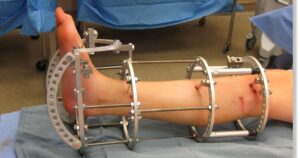
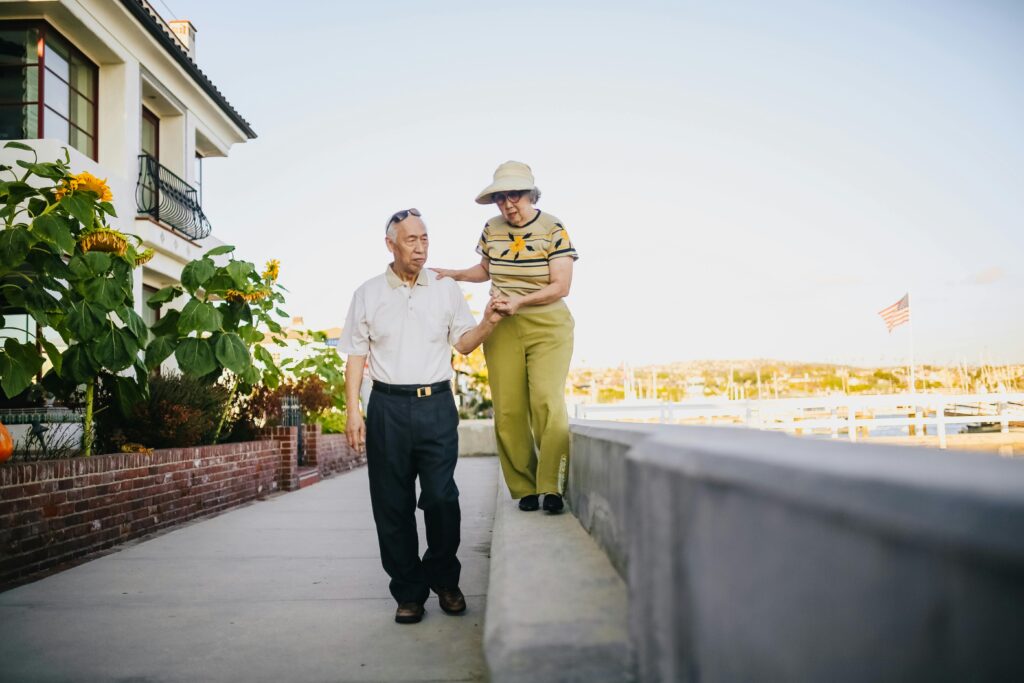
A slip in the bathroom. A stumble on an uneven path. A fall that seems minor, yet results in a fractured hip, wrist, or spine.
It often feels confusing and unfair. Understanding why this happens is an important first step in learning how osteoporosis affects the body and how fracture risk can be reduced.
This article explains osteoporosis fracture risk in a calm, practical way, without alarm, so you can make sense of what’s happening and when to seek medical advice.
What Happens to Bones in Osteoporosis?
Osteoporosis causes bones to lose density and internal strength over time. This process is gradual and often painless.
Bones are living tissue. In osteoporosis:
- Bone breakdown happens faster than bone rebuilding
- The internal structure becomes thinner and more fragile
- Bones become less able to absorb impact
This is why osteoporosis is often called a “silent” condition, many people have no symptoms until a fracture occurs.
Remember:
- Bone loss can progress without pain or warning signs
- Strength is lost before fractures happen
- Normal movement may feel fine until a fall occurs
Why Can Minor Falls Lead to Major Fractures?
Healthy bones are designed to absorb shock. Osteoporotic bones are not.
When bone density is reduced:
- Impact from even low-level falls is transmitted directly to weakened bone
- The internal scaffolding of bone collapses more easily
- Fractures can occur without high-force trauma
Common fracture sites include:
- Hip
- Wrist
- Spine (compression fractures)
A fall that would normally cause a bruise may result in a fracture when osteoporosis fracture risk is increased.
What Is Osteoporosis Fracture Risk and Who Is Most Affected?
Osteoporosis fracture risk refers to the likelihood of breaking a bone due to reduced bone strength, often combined with fall risk.
People more commonly affected include those with:
- Increasing age
- Post-menopausal hormonal changes
- Long-term steroid medication use
- Family history of osteoporosis or fractures
- Chronic medical conditions affecting bone health
Remember:
- Fracture risk is not based on age alone
- Men can also be affected
- Risk builds gradually over time
How Do Doctors Assess Fracture Risk?
Assessment looks at more than just one test result. Doctors consider a combination of factors.
This may include:
- Bone density testing (DXA scan)
- Medical and medication history
- Previous fractures, especially after low-impact falls
- Balance, strength, and fall history
When you understand osteoporosis fracture risk, you become guided with making decisions on monitoring, prevention, and treatment planning.
What Can Be Done to Reduce Fracture Risk?
While osteoporosis cannot be reversed overnight, fracture risk can be addressed.
Management often focuses on:
- Medical evaluation of bone health
- Addressing contributing factors such as medications or hormonal changes
- Strength, balance, and fall-prevention strategies
- Early detection before fractures occur
Small steps taken early may reduce the likelihood of future injuries.
When Should You See a Doctor?
You may wish to seek medical advice if you or a loved one experiences:
- A fracture after a low-impact fall
- Unexplained back pain or height loss
- A family history of osteoporosis-related fractures
- Concerns after menopause or long-term steroid use
Early assessment allows for clearer understanding and informed decisions.
Frequently Asked Questions
- Can osteoporosis cause fractures without a major fall?
Yes. Fractures can occur from simple slips, minor falls, or even routine movements in severe cases. - Is a hip fracture always caused by osteoporosis?
Not always, but osteoporosis is a common contributing factor, especially after low-impact falls. - Can men develop osteoporosis-related fractures?
Yes. Although more common in women, men can also have reduced bone density and fracture risk. - Is bone density testing painful?
No. DXA scans are non-invasive and typically quick. - If I feel fine, should I still be checked?
Many people with osteoporosis feel well until a fracture happens. Assessment is often based on risk factors, not symptoms alone.
A fracture after a simple fall is often a sign to look deeper.
If you or a family member has experienced a fracture that seemed disproportionate to the fall, it may be worth discussing bone health and fracture risk with a doctor.
You may consider arranging a consultation with Dr Sarbjit Singh at Centre for Advanced Orthopaedics to explore whether further assessment or monitoring is appropriate.