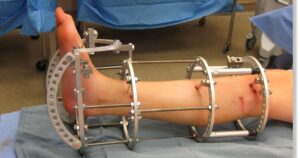

An ankle sprain is one of the most common musculoskeletal injuries, but it is also one of the most underestimated. While many people expect it to heal with rest alone, repeated ankle sprains may indicate that the original injury never fully recovered. Understanding why this happens can help you seek appropriate ankle sprain treatment before long-term problems develop.
Key Takeaways
- Repeated ankle sprains may indicate incomplete healing or ongoing ankle instability.
- Early assessment and appropriate ankle sprain treatment can help reduce the risk of recurring injuries.
- Ignoring recurring sprains may increase the likelihood of chronic pain, weakness, and joint damage.
- Strengthening exercises, rehabilitation, and medical evaluation are often important parts of recovery.
Why Do Some People Keep Spraining the Same Ankle?
A second or third ankle sprain is not always simply “bad luck.” In many cases, the ankle has not regained its previous strength, stability, or function. Common reasons include,
- Ligaments that did not heal adequately after the initial injury
- Weak ankle muscles that no longer provide sufficient support
- Poor balance and reduced joint awareness
- Returning to sports or daily activities too soon
- Previous rehabilitation that was incomplete or inconsistent
Without proper recovery, the ankle becomes more vulnerable to twisting during walking, running, or even stepping on uneven ground.
Could Your Ankle Still Be Weak After the Pain Has Gone?
Yes. Pain often improves before the ankle has completely recovered. Even if swelling has settled and walking feels comfortable, the injured ligaments and surrounding muscles may still need time and rehabilitation to regain normal function.
Signs that your ankle may not have fully recovered include,
- Frequent “giving way” of the ankle
- Feeling unstable while walking or exercising
- Recurrent swelling after activity
- Persistent stiffness
- Pain during sports or prolonged standing
- Difficulty balancing on the affected leg
These symptoms may suggest chronic ankle instability, which can develop after repeated sprains.
When Should You Consider Ankle Sprain Treatment?
Not every ankle sprain requires the same approach. Seeking medical assessment may be appropriate if,
- Your ankle remains painful several weeks after injury
- You have experienced multiple sprains on the same side
- Swelling keeps returning
- Walking feels unstable
- You are unable to return comfortably to your usual activities
- Your ankle frequently feels as though it may “give way”
An assessment can help determine whether the ligaments, tendons, cartilage, or surrounding structures have been affected.
What Does Ankle Sprain Treatment Usually Involve?
The most suitable ankle sprain treatment depends on the severity of the injury and your individual recovery. Treatment may include,
Early care
- Protecting the injured ankle
- Managing swelling
- Gradually returning to comfortable movement
Rehabilitation
A structured rehabilitation programme may focus on:
- Improving ankle strength
- Restoring flexibility
- Balance and coordination training
- Functional exercises for daily activities or sports
Supportive measures
Depending on your condition, your doctor may recommend:
- An ankle brace during recovery
- Activity modification
- Appropriate footwear
- Gradual return to exercise
If symptoms persist despite conservative management, imaging studies may be recommended to assess the ankle more thoroughly and guide further treatment.
Can Repeated Ankle Sprains Lead to Long-Term Problems?
Repeated injuries can place ongoing stress on the ankle joint. Without appropriate management, some individuals may develop,
- Chronic ankle instability
- Persistent pain
- Reduced mobility
- Cartilage damage
- Increased risk of ankle osteoarthritis over time
Early evaluation and rehabilitation may help reduce these risks and support better long-term ankle function.
Frequently Asked Questions
How long does an ankle sprain usually take to recover?
Recovery varies depending on the severity of the injury. Mild sprains may improve within a few weeks, while more significant ligament injuries may require a longer period of rehabilitation.
Is it normal to keep spraining the same ankle?
Repeated ankle sprains are not uncommon and may indicate that the ankle has not fully regained its stability or strength. A medical assessment can help identify the underlying cause.
Can I exercise after an ankle sprain?
Returning to exercise should be gradual and based on your recovery. Starting too soon may increase the risk of another injury.
When should I see an orthopaedic doctor for an ankle sprain?
You should consider seeking medical attention if pain persists, swelling recurs, your ankle repeatedly gives way, or you continue experiencing multiple sprains.
Take the Next Step Towards Better Ankle Health
If repeated ankle sprains are affecting your daily activities or preventing you from staying active, seeking timely assessment can help identify the cause and guide appropriate ankle sprain treatment.
At the Centre for Advanced Orthopaedics, Dr Sarbjit Singh provides assessment and management for a wide range of orthopaedic conditions, including recurrent ankle injuries. If you are experiencing ongoing ankle instability or repeated sprains, schedule a consultation to discuss your symptoms and explore suitable treatment options.