If you’ve undergone limb lengthening surgery, the procedure itself is only one part of the journey. Your recovery continues long after the operation, and physiotherapy plays a key role in helping your body adapt to the gradual changes in bone length.
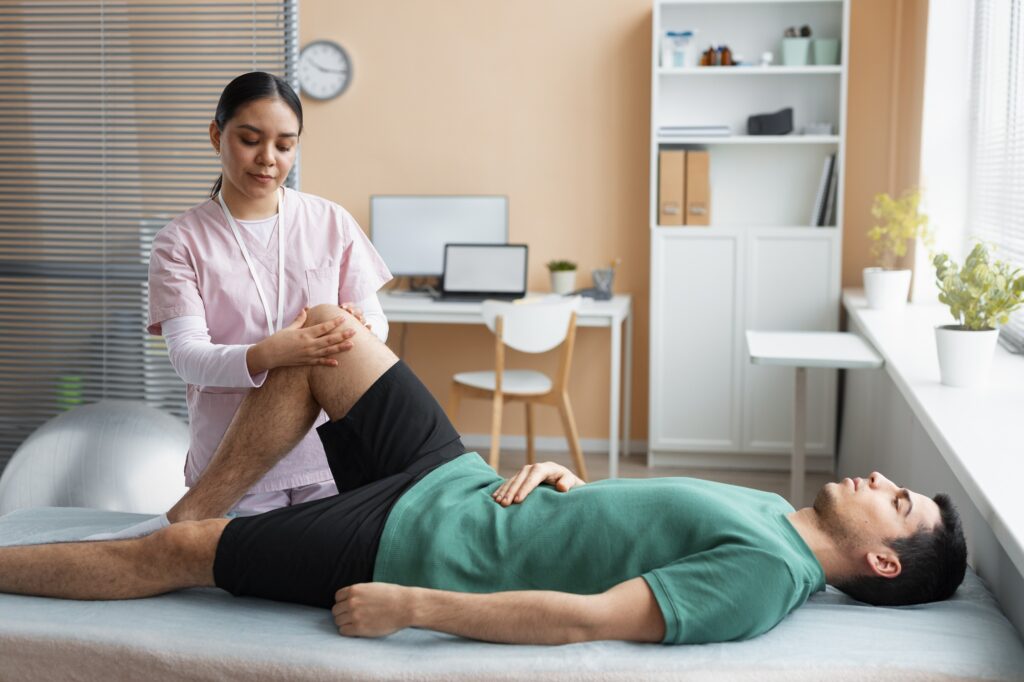
Physiotherapy helps maintain joint movement, muscle flexibility, and strength while supporting your rehabilitation throughout the recovery process. It also helps you gradually regain function, improve mobility, and adapt safely as your body heals and adjusts to its new limb length.
This article explains why physiotherapy is important after limb lengthening surgery, what recovery typically involves, and what you can expect during rehabilitation.
Why Is Physiotherapy Essential After Limb Lengthening Surgery?
During limb lengthening surgery, the bone is gradually lengthened over time. As this happens, the surrounding muscles, tendons, ligaments, nerves, and soft tissues must also adapt to the increasing length.
Without appropriate rehabilitation, these tissues may become tight, leading to reduced joint movement and difficulty performing everyday activities.
Research from the World Journal of Clinical Cases has highlighted the importance of structured physiotherapy and rehabilitation during and after limb lengthening. Physiotherapy may help maintain joint mobility, improve muscle flexibility and strength, reduce stiffness, and support functional recovery throughout the lengthening process. It also plays a role in managing certain complications, such as muscle contractures, while appropriate wound care remains important in reducing the risk of pin tract infections when external fixation devices are used.
What Does Recovery After Limb Lengthening Surgery Involve?
Recovery from limb lengthening surgery takes place gradually over several stages. The exact timeline varies depending on factors such as the amount of lengthening achieved, the surgical technique used, your overall health, and your commitment to rehabilitation.
Recovery generally includes:
Initial Healing
Immediately after surgery, your body begins healing the surgical site. During this period, swelling, discomfort, and temporary limitations in mobility are expected while the tissues recover.
Bone Lengthening (Distraction Phase)
During the distraction phase, the bone is gradually lengthened. Physiotherapy focuses on maintaining joint movement, preserving muscle flexibility, and helping you continue moving safely throughout this stage.
Bone Consolidation
Once the desired length has been achieved, the new bone gradually hardens and strengthens. Rehabilitation continues to support muscle strength, flexibility, balance, and coordination while the bone heals.
Strengthening and Functional Recovery
As healing progresses, physiotherapy shifts towards rebuilding endurance, improving walking mechanics, increasing strength, and helping you gradually return to everyday activities.
What Happens During Physiotherapy?
Every rehabilitation programme is tailored to the individual and adjusted throughout recovery.
Your physiotherapy programme may include:
- Stretching exercises to maintain flexibility
- Strengthening exercises for the surrounding muscles
- Joint mobility exercises
- Balance and gait training
- Functional exercises to support daily activities
Depending on your stage of recovery, your physiotherapist may also monitor your progress, modify exercises as your mobility improves, and work closely with your orthopaedic surgeon to support your rehabilitation goals.
Why Is Commitment to Rehabilitation So Important?
Successful recovery after limb lengthening surgery depends not only on the operation itself but also on consistent participation in rehabilitation.
Physiotherapy helps your body adapt to gradual skeletal changes while supporting mobility and function throughout recovery. Regular therapy sessions, prescribed home exercises, and follow-up appointments allow your healthcare team to monitor healing and adjust your rehabilitation programme as needed.
Although recovery requires patience and commitment, following your rehabilitation plan may help you progressively regain strength, flexibility, and confidence as you return to your normal activities.
Frequently Asked Questions
When does physiotherapy begin after limb lengthening surgery?
The timing varies depending on your individual treatment plan, but rehabilitation often begins shortly after surgery under the guidance of your healthcare team.
How long will I need physiotherapy?
The duration differs between patients and depends on factors such as the amount of lengthening performed, bone healing, and individual progress during rehabilitation.
Can I recover without physiotherapy?
Physiotherapy is considered an important part of recovery after limb lengthening surgery. Your rehabilitation programme helps maintain mobility, improve strength, and support your return to everyday activities.
Recover with the Right Rehabilitation Support
Recovery after limb lengthening surgery is a gradual process that extends well beyond the operating theatre. Physiotherapy supports your body as it adapts to the changes in bone length while helping maintain movement, flexibility, and function throughout each stage of recovery.
At Centre for Advanced Orthopaedics, Dr Sarbjit Singh provides assessment and management for limb reconstruction, deformity correction, and limb lengthening surgery.
If you would like to learn more about rehabilitation following surgery or discuss your suitability for treatment at a limb lengthening clinic, you may arrange a consultation for an individual assessment.