Key Takeaways
- Flatfoot can affect how body weight is distributed across the foot, potentially changing walking mechanics.
- Flatfoot reconstruction surgery aims to restore foot alignment by addressing the underlying structural problems.
- Different surgical techniques may be combined depending on the severity and flexibility of the deformity.
- Surgery is generally considered when persistent symptoms do not improve sufficiently with non-surgical treatment.
- Recovery involves a gradual return to weight-bearing activities and rehabilitation.
Why Can Flat Feet Affect More Than Just Your Foot Shape?
Having flat feet does not automatically mean something is wrong. Some people naturally have low arches and experience no discomfort or difficulty walking.
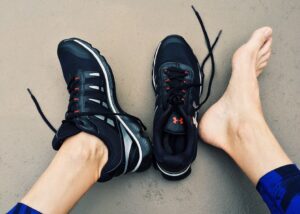
However, problems can develop when the arch progressively collapses or the foot becomes unstable. In adults, this may be associated with changes involving the tendons and ligaments that support the arch.
As the foot loses its normal alignment, the heel may tilt outwards while the front of the foot turns outwards. This can affect how weight travels through the foot when standing, walking or climbing stairs.
Some people experience,
- Pain along the inner side of the foot or around the ankle.
- Swelling near the arch.
- Difficulty standing or walking for extended periods.
- Reduced balance or walking endurance.
- Increasing difficulty with physical activities.
The key concern is not simply the absence of an arch but how the structural changes affect foot function.
How Does Flatfoot Reconstruction Surgery Correct Alignment?
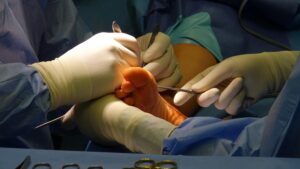
Flatfoot reconstruction surgery aims to address the structural changes responsible for the deformity rather than simply creating a visible arch.
Depending on the individual’s foot structure, the surgeon may use a combination of procedures, such as,
- Realigning the heel bone- A procedure called a calcaneal osteotomy involves making a controlled cut in the heel bone and repositioning it. This can help bring the heel into better alignment beneath the leg and improve how weight is distributed.
- Supporting the arch- The posterior tibial tendon plays an important role in supporting the foot’s arch. If it is damaged or weakened, tendon reconstruction or transfer may be considered to help restore support.
- Correcting joint and ligament problems- Some patients have stretched ligaments or changes in the joints that contribute to the deformity. Depending on the findings, ligament reconstruction or joint fusion may be considered.
Not everyone needs all these procedures. The surgical plan depends on factors such as the severity of the deformity, joint flexibility, tendon condition and presence of arthritis.
What Changes in the Way You Walk After Surgery?
Foot alignment influences how the body absorbs weight and maintains balance during movement.
When the heel and arch are better supported, the aim is to improve the distribution of forces across the foot. This may help address abnormal loading patterns that contribute to discomfort and walking difficulties.
Potential functional improvements include,
- Better support when standing and walking.
- More balanced weight distribution across the foot.
- Reduced strain on affected structures.
- Improved walking comfort and stability.
However, the extent of improvement varies. Surgery does not guarantee a completely normal walking pattern, particularly when there are longstanding joint changes or other musculoskeletal conditions.
What Should You Expect During Recovery?
Recovery from flatfoot reconstruction takes time because the bones, tendons and ligaments need to heal. Depending on the procedures performed, patients may need to avoid putting weight on the operated foot initially. A cast or walking boot may be required during this period.
Rehabilitation generally progresses through different stages,
- Initial healing- Protecting the reconstructed structures and managing swelling.
- Gradual weight-bearing- Reintroducing pressure on the foot when medically appropriate.
- Physiotherapy- Working on ankle mobility, strength, balance and walking mechanics.
- Return to activities- Gradually resuming daily activities according to recovery progress.
Frequently Asked Questions
Can flatfoot surgery restore the arch completely?
The aim is to improve foot alignment and structural support. However, the degree of correction depends on the underlying deformity and the procedures performed.
Is flatfoot reconstruction surgery suitable for everyone with flat feet?
No. People with painless, stable flat feet may not require surgery. It is generally considered when symptoms persist or the deformity affects daily function despite appropriate non-surgical management.
Can flat feet become worse with age?
Some people develop progressive flattening of the arch as tendons and supporting ligaments weaken or become damaged. However, not all flat feet worsen over time.
Will I be able to walk normally after surgery?
Many patients undergo surgery to improve walking comfort and function. However, recovery and functional outcomes vary depending on the extent of the deformity, joint condition and rehabilitation progress.
How long does recovery from flatfoot reconstruction take?
Recovery varies according to the procedures performed and individual healing. Bone and tendon healing can take several months, and returning to normal activities requires a gradual, medically guided rehabilitation process.
Schedule a Consultation If You Are Considering Flatfoot Reconstruction Surgery
Persistent foot discomfort or changes in walking patterns deserve proper assessment, particularly when the foot’s shape appears to be changing over time.
At the Centre for Advanced Orthopaedics, Dr. Sarbjit Singh can assess foot alignment, joint condition and walking difficulties to help determine whether non-surgical management or flatfoot reconstruction surgery may be appropriate.
An individual assessment can help clarify the underlying problem and available treatment options. Consider booking a consultation to discuss your symptoms and understand the next steps towards managing your foot condition.